Recovery is not always easy. And for many people, it can feel even harder when you try to handle it alone. That’s why we want to take a closer look at addiction counseling and how it can support people who are trying to make real changes.
The beginning of a new year often brings reflection. People think about what they want to improve or leave behind. It’s also a time when many start noticing habits that have started to feel unhealthy or difficult to control. That might mean alcohol, drugs, or certain behaviors that slowly became part of everyday life.
Addiction counseling can be an important part of stepping away from those patterns.
While taking a short break can be a good start, addiction usually runs deeper than a one-month reset. For many, recovery takes time, consistency, and support. In some cases, it can mean choosing long-term abstinence, even lifelong.
And most people don’t get there by quitting suddenly without help. The “cold turkey” approach works for some, but it often leaves people feeling stuck when cravings, stress, or triggers come back. What helps more is having new habits in place, along with support that makes change feel possible day by day.
That’s what we focus on in our work. We help people build a plan they can actually follow, not one that only works in theory.
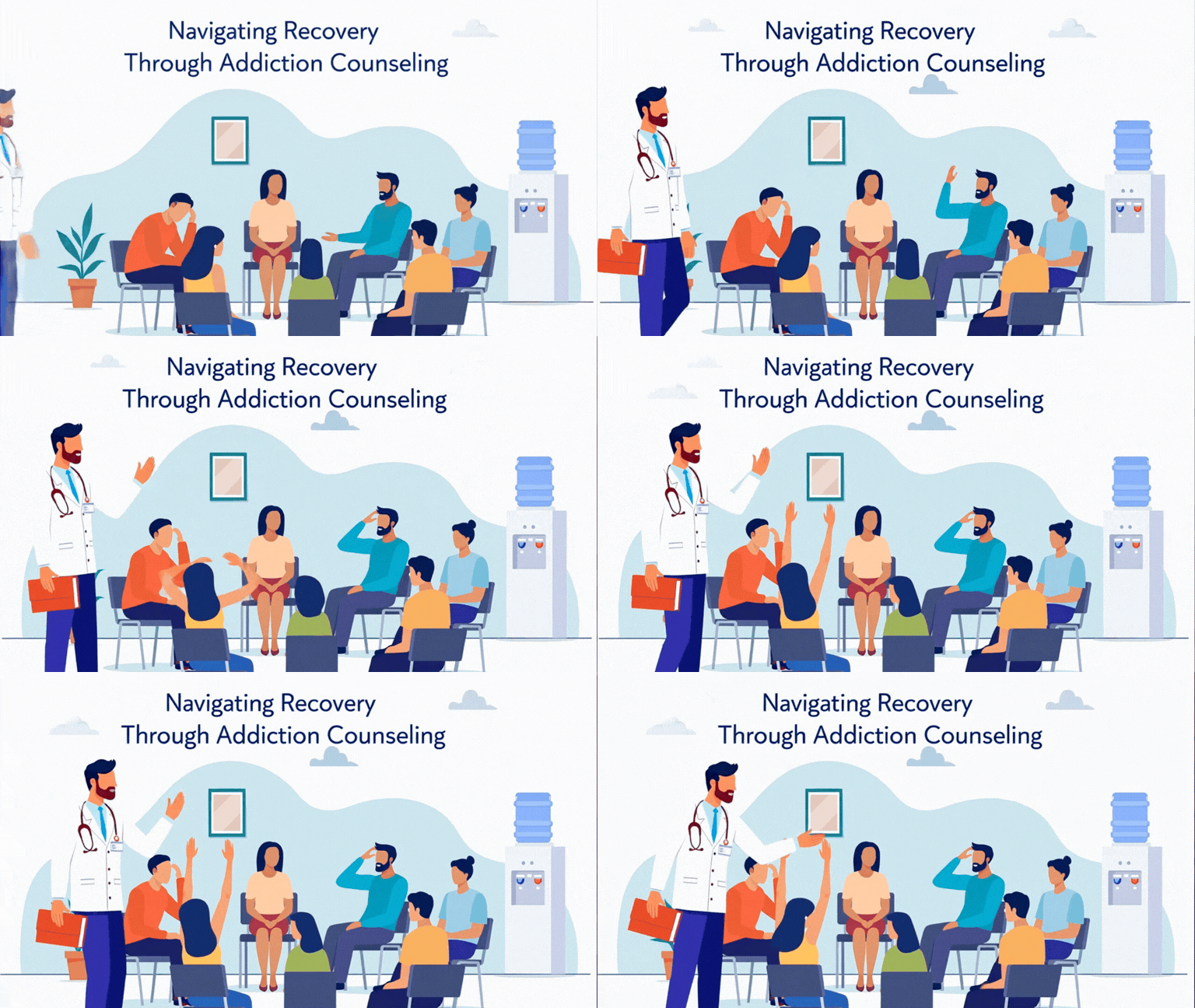
The Importance of Addiction Counseling
Understanding January’s Significance
January has become known as a time when people try cutting back or taking a break. “Dry January” is a common example. It’s meant to be a month without alcohol, and for some people, it’s the first time they’ve stepped away from drinking in a long time.
For others, it may spark questions about different habits too like constant screen time, unhealthy eating, compulsive shopping, or anything that feels hard to stop even when you want to.
Sometimes a break helps people realize how much something has been affecting their mood, relationships, and daily life.
The All-Encompassing Nature of Addiction
Addiction isn’t only about substances. It can show up in many forms, and it can affect almost every part of someone’s life. People may feel stuck in patterns they don’t fully understand, even if the behavior looks “normal” from the outside.
Our mental health therapy practice recognizes how wide addiction can be. It may involve alcohol or drugs, but it can also involve behaviors that feel compulsive and hard to control. Recognizing that is often the first step toward change.
The Vital Role of Addiction Counseling
If someone is dealing with substance use or addictive substances and behaviors, working with an addiction counselor can help a lot. Addiction counseling gives people a safe place to talk openly, without judgment or pressure.
It also helps people:
- understand what’s driving the addiction
- learn coping skills that work in real situations
- build healthier routines
- create a plan for long-term support
Recovery takes more than willpower. Counseling gives structure, guidance, and a place to work through the hard parts.
What Does an Addiction Counselor Do?
An addiction counselor helps people move through recovery step by step. A big part of the work is simple but powerful: listening. Many people struggling with addiction have never had a space where they can speak honestly without feeling judged or dismissed.
Counselors also help clients understand cravings, withdrawals, and triggers. They work with the person to find ways to handle those moments without falling back into old habits.
Another important part is building trust. Addiction can break trust in relationships, but it can also break trust within someone’s relationship with themselves. Counseling helps people rebuild that over time.
Support often extends beyond the individual, too. Addiction affects family and friends, and they often need guidance as well. Counseling can help loved ones understand how to support the recovery process in a healthy way.
And because relapse is a real fear for many people, addiction counselors also work with clients on relapse prevention services. The goal is to prepare for challenges before they happen not to wait until someone feels overwhelmed.
Making a Change
Starting addiction counseling can be the beginning of real change. It gives people tools to manage stress, understand themselves better, and move through challenges without feeling stuck.
We also understand that addiction doesn’t look the same for everyone. Every person’s situation is different, and recovery should reflect that.
A Comprehensive Approach to Addiction Counseling
Our practice offers addiction counseling with a full, personalized approach. We take time to understand each person’s needs, history, and goals. Sessions are shaped around what will actually support the person long-term.
A lot of people hesitate to reach out because of stigma. They worry about what others will think or feel embarrassed about needing help. But getting support isn’t weakness. It’s a serious and brave decision to make a change.
Breaking the Stigma
We aim to offer a calm, supportive space where people can talk openly and feel understood.
Supporting Our Community
As part of the Wallingford community, we care about being a resource for people who need support. Whether someone is beginning recovery, restarting after relapse, or trying to understand what they’re going through, we are here to help.
We also provide counseling for friends and family of those struggling with Substance Use Disorder (SUD). This matters because recovery often affects relationships on both sides. Support roles can be confusing, and it’s easy for loved ones to feel helpless or burned out. Getting professional support can help both the person in recovery and the people around them.
Get Support
January may bring more reflection than usual, but support is helpful at any time of year. If you feel like something needs to change, you don’t have to wait for the “perfect moment.”
Addiction counseling can offer support, structure, and a place to work through the parts that feel difficult to handle alone.
Our team is here to support individuals and families in our community. If you think addiction counseling might help you, please contact us. We’re happy to talk through what support could look like and answer any questions you have.
Start Your Journey to a Healthier, Happier You
Take the first step today – connect with a compassionate therapist who meets you where you are.
Frequently Asked Questions
If you keep trying to stop something but you can’t, or it keeps coming back even when it hurts your life, counseling may help. You don’t have to “hit rock bottom” to reach out. If it’s affecting your mood, relationships, work, or daily routine, that’s enough reason to get support.
No. Addiction can also show up in behaviors like overeating, compulsive shopping, gambling, or constant screen use. If something feels like it controls you more than you control it, counseling can help you understand what’s going on and how to change it.
Most sessions are simple. You talk about what you’re dealing with, what’s been hard, and what you want to change. The counselor helps you figure out triggers, build coping skills, and create a plan that fits your real life, not just a “perfect” plan that’s impossible to follow.
That’s more common than most people think. Many people need more than one attempt before things start to stick. Counseling isn’t about judging you for going back; it’s about helping you understand why it happened and what support you need next time.
Yes, and it often makes a big difference. Addiction affects everyone around it, not just the person struggling. Family counseling can help loved ones learn how to support recovery without losing themselves in the process, and it can make communication feel less stressful.